Imagenes De Nombres De Dia De Muertos

Día de Muertos, or Day of the Dead, is a vibrant and important holiday celebrated primarily in Mexico, but also in other parts of Latin America and the United States. It is a time to remember and honor deceased loved ones. The celebrations are rich in symbolism, and visual representations play a key role.
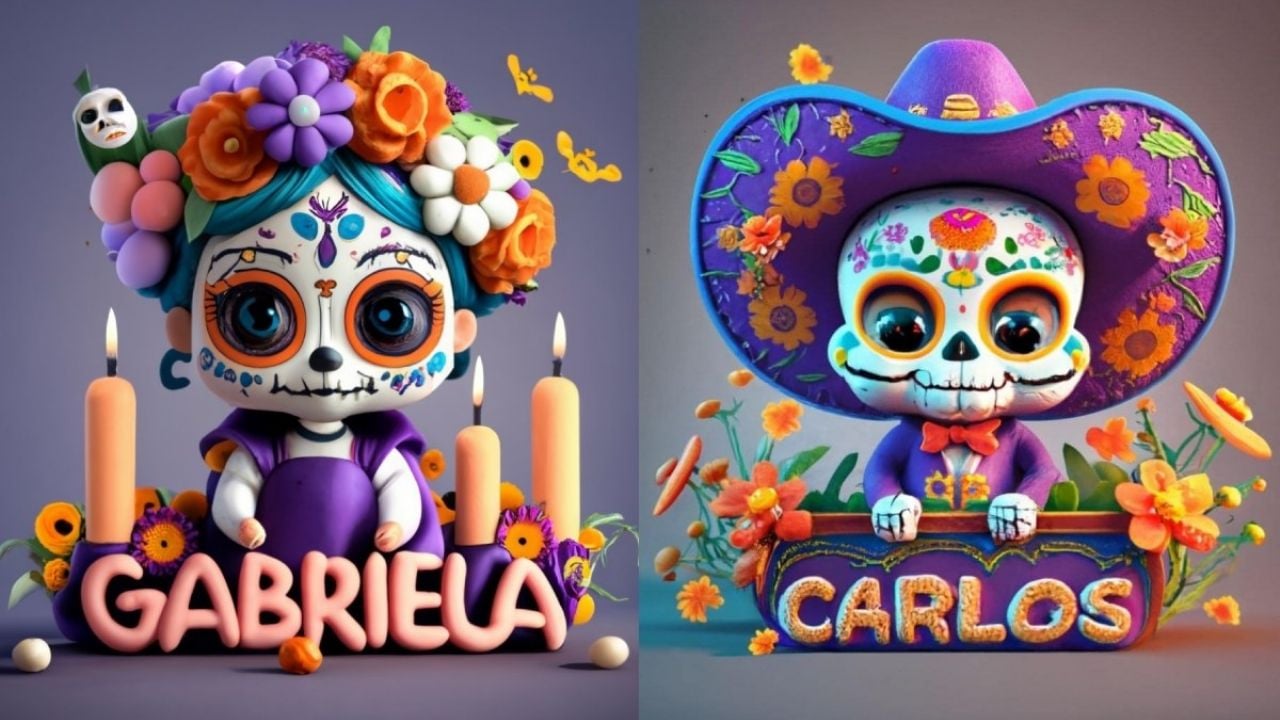
When we talk about "Imagenes De Nombres De Día De Muertos", we are referring to images that incorporate names of deceased individuals within the context of Day of the Dead celebrations. These images are often used to personalize altars (ofrendas), decorations, and even digital tributes.
Understanding the Ofrenda
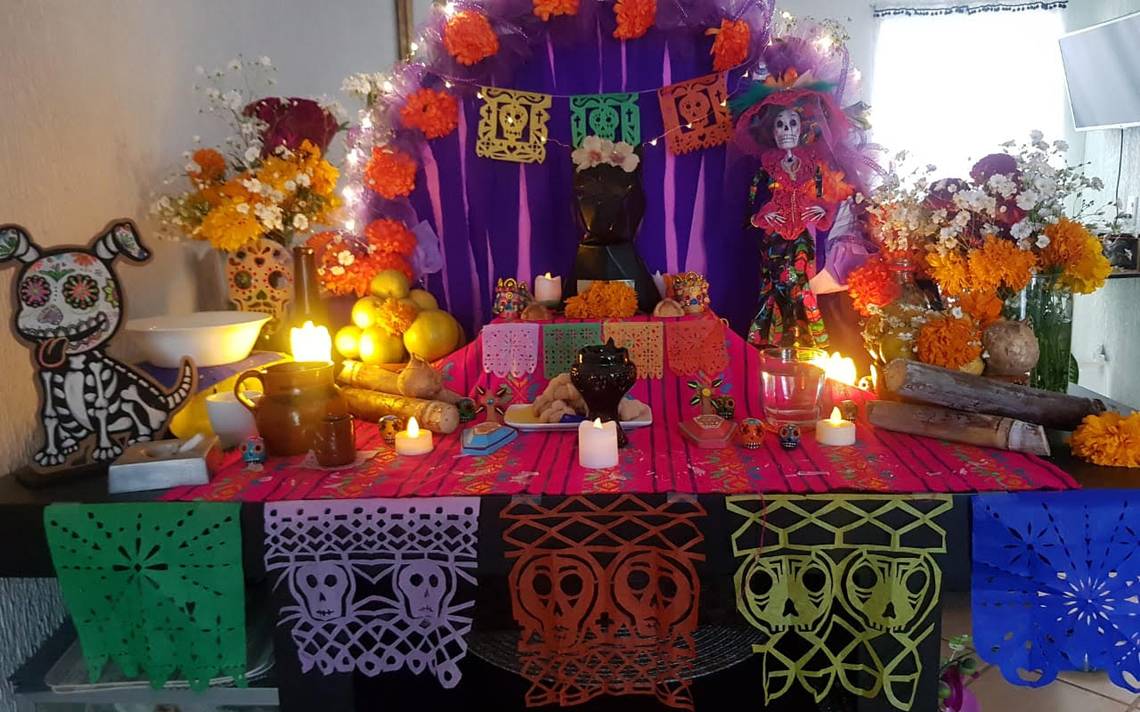
The ofrenda is a central element of Day of the Dead. It's a colorful altar built to welcome the spirits of the deceased. The ofrenda is not meant for worship. It is a welcoming space designed to entice the spirits back for a visit with the living. Many items placed on the altar hold specific symbolic meaning.
Common elements of an ofrenda include:
- Photographs: Images of the deceased are prominently displayed.
- Cempasúchil (Marigolds): These bright orange flowers are believed to guide the spirits home with their vibrant color and scent.
- Candles: They represent light and hope, guiding the spirits and illuminating their path.
- Pan de Muerto: A special sweet bread, often decorated with bone-shaped designs, symbolizes the cycle of life and death.
- Favorite Foods and Drinks: Offering the deceased's preferred meals and beverages ensures they feel welcomed and nourished.
- Personal Items: These could be anything from a favorite toy to a treasured piece of jewelry. They personalize the ofrenda and evoke memories.
How Names are Incorporated in Images
The names of the deceased are often incorporated into images through various creative methods. This adds a personal and touching element to the Día de Muertos celebrations.
Here are some examples:
- Sugar Skulls (Calaveras de Azúcar): Personalized sugar skulls are a common tradition. The name of the deceased is often written on the skull's forehead. These skulls, decorated with colorful icing and designs, are both a sweet treat and a remembrance.
- Banners (Papel Picado): These intricately cut paper banners are a staple of Day of the Dead decorations. Some artists create custom papel picado with the names of loved ones incorporated into the designs.
- Photographs with Names: Simply adding the name and dates of birth and death to a photograph of the deceased is a powerful and direct way to honor them.
- Digital Art: With digital tools, it's easy to create images that incorporate names into artistic representations of skeletons, marigolds, or other Day of the Dead symbols.
- Memorial Candles: You can find or create memorial candles with the name and image of the deceased. These are often placed on the ofrenda or used as a general remembrance.
Real-Life Applications
Consider a family preparing an ofrenda for their grandmother, Elena. They might include a photograph of Elena in her younger years. They would then create a sugar skull with "Elena" written on the forehead. They might also commission a papel picado banner with her name interwoven with images of marigolds and birds, her favorite things.
Another example is a school project. Students researching Day of the Dead can create their own personalized sugar skulls representing family members or historical figures they admire. They can then write a short biography of the person and present their creation to the class, explaining the symbolism and significance of the Day of the Dead.
Digital images and online memorials are also common. Individuals create online tributes featuring photos, stories, and the names of their deceased loved ones. This allows people from all over the world to participate in the Day of the Dead celebration and remember those who have passed.
In Conclusion
"Imagenes De Nombres De Día De Muertos" are a vital part of the Day of the Dead celebration. They serve as a tangible and personal reminder of the deceased, helping to keep their memory alive. By understanding the symbolism and the various ways names are incorporated into these images, we gain a deeper appreciation for the richness and meaning of this important cultural tradition. The inclusion of names transforms general celebrations into personal and meaningful tributes.