Ensayo De Las Batallas En El Desierto
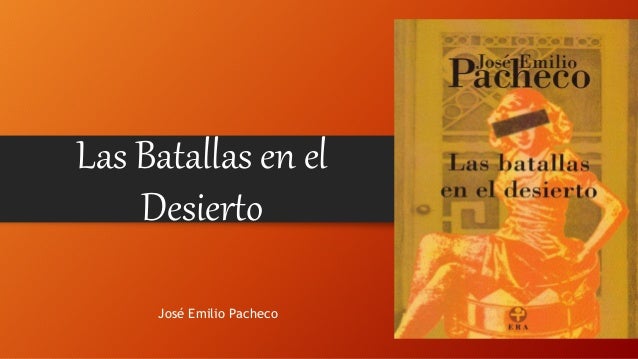
Ensayo de las Batallas en el Desierto, written by José Emilio Pacheco, is a short but impactful novella. It's a story about lost innocence, historical disillusionment, and forbidden love, all wrapped up in a nostalgic look at 1940s Mexico City.
The Core Story: Love and Loss
The plot centers around Carlos, a young boy. He develops an intense, almost innocent, crush on Mariana, his mother's friend. Mariana is older, elegant, and seems to embody a world far removed from Carlos's everyday life. He confesses his feelings. This confession, and the subsequent fallout, marks a turning point in Carlos's life. It represents the end of his childhood naiveté.
More Than Just a Love Story
While the crush on Mariana is the driving force of the narrative, the novella is richer than a simple coming-of-age story. Pacheco uses Carlos's experience to paint a portrait of a changing Mexico. The 1940s in Mexico City were a time of rapid Americanization. American culture, from Coca-Cola to movies, began to permeate Mexican society.
Historical Context: A Nation's Transformation
Think of it like this: imagine your town getting a brand new McDonald's. It's exciting! But it also changes things. The local diner might struggle, and the overall feel of the town might become a little more...Americanized. That's what was happening on a larger scale in Mexico. Pacheco highlights the subtle ways this cultural shift influenced people's lives, including Carlos's.
Disillusionment and Nostalgia
The word "ensayo" (essay) in the title hints at the novella's broader themes. It's not just a direct account, but rather a reflection on the past. Carlos, as an adult looking back, understands the forces that shaped his childhood. He realizes that the idealized Mexico he remembers was already fading. The nostalgia is tinged with sadness because he recognizes the loss of something authentic.
Themes of Corruption and Falsehoods
Beneath the surface of childhood innocence, Pacheco also explores themes of political and social corruption. Carlos's father, for instance, is involved in shady business dealings. This suggests a deeper rot within Mexican society. The “battle in the desert” alluded to in the title can be interpreted as the constant struggle against these falsehoods and moral compromises.
The Lasting Impact
Ensayo de las Batallas en el Desierto is powerful because it's relatable. We've all experienced the loss of innocence and the bittersweet feeling of nostalgia. Pacheco's novella uses a simple story to explore complex themes of cultural change, personal disillusionment, and the enduring power of memory. It's a beautifully written reflection on a pivotal moment in Mexican history and the universal experience of growing up. It also serves as a stark warning about the dangers of unchecked cultural influence and the importance of preserving one's own identity. Its enduring popularity lies in its ability to resonate with readers across generations and cultures, reminding us that the battles we fight, both internal and external, shape who we become.