Asistencia Durante El Lavado De Oidos

Asistencia durante el Lavado de Oídos (Ear Irrigation Assistance) involves helping someone safely and effectively clean wax build-up from their ear canal. It's important for maintaining good ear health and hearing, but it's crucial to do it correctly to avoid injury.
Why is Ear Irrigation Necessary?
Our ears naturally produce cerumen, or earwax, which protects the ear canal. However, sometimes too much wax accumulates, causing discomfort, reduced hearing, or even infections. Ear irrigation helps remove this excess wax.
Step-by-Step Guide to Assisting with Ear Irrigation
Here's how you can assist someone with ear irrigation:
1. Preparation is Key
Before starting, gather all the necessary supplies:
- Irrigation syringe (bulb syringe or specialized ear syringe).
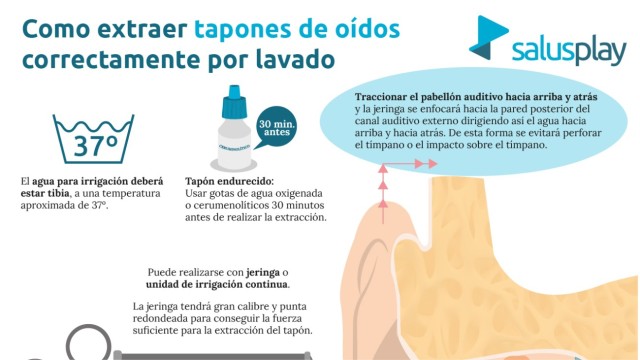
- Warm water (body temperature - about 37°C or 98.6°F). Too hot or cold can cause dizziness. Test the water on your wrist first.
- Towel to protect clothing.
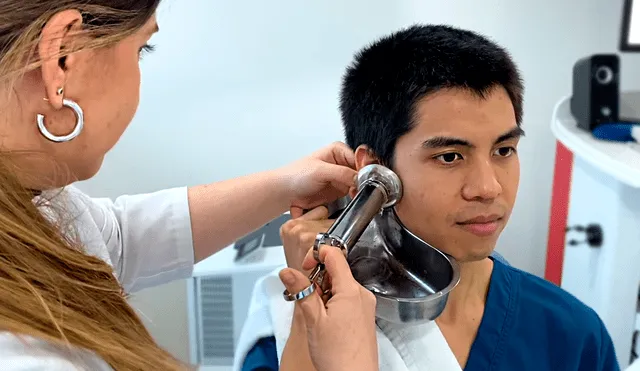
- Basin to collect the water runoff.
- Otoscope (optional, for visual inspection before and after). Only a trained professional should use an otoscope to inspect the ear canal.
2. Patient Positioning
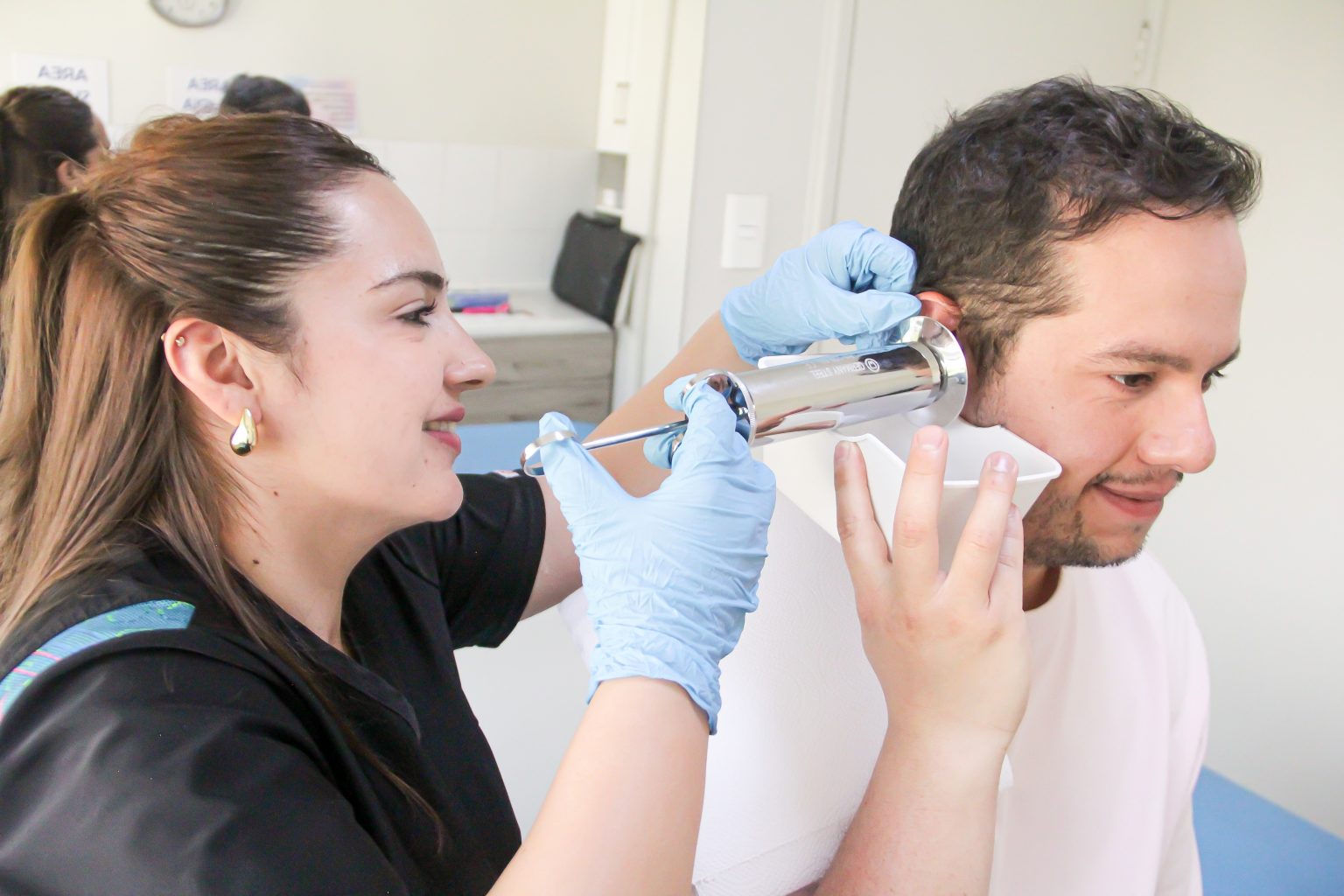
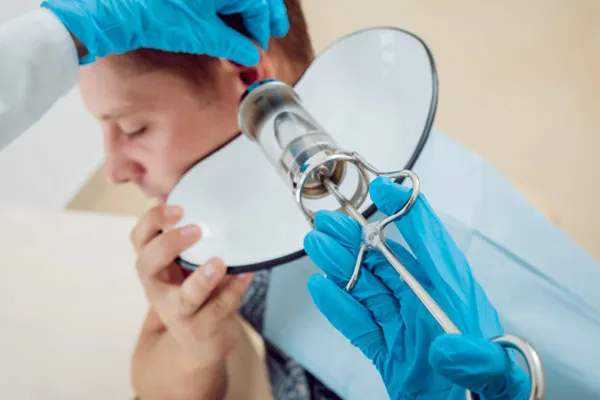
Have the person sit comfortably with the towel draped over their shoulder. The side of the ear being irrigated should be facing upwards. They should hold the basin close to their ear to catch the draining water.
3. Filling the Syringe
Draw the warm water into the irrigation syringe. Expel any air bubbles. Explain to the person that they may feel some pressure or warmth, but it shouldn't be painful.
4. Irrigation Technique
Gently pull the outer ear upward and backward (for adults) to straighten the ear canal. Direct the stream of water towards the side of the ear canal, not directly at the eardrum. This allows the water to flow behind the wax and flush it out. The person performing the irrigation should use gentle, pulsating motions.
5. Monitoring and Communication
Constantly monitor the person's comfort level. Ask them if they're experiencing any pain, dizziness, or discomfort. If they do, stop immediately. Also, observe the water draining into the basin. Is wax coming out?
6. Drying the Ear
After irrigating, have the person tilt their head to the side to drain any remaining water. Gently dry the outer ear with a clean towel. You can also suggest they use a low-heat hairdryer held at a distance for a few seconds to ensure the canal is completely dry.
7. Post-Irrigation Inspection (Optional)
If a trained professional has an otoscope, they can use it to inspect the ear canal to ensure all the wax has been removed and there are no signs of irritation or damage.
Important Considerations
- Never irrigate if the person has a suspected or known eardrum perforation, ear infection, or has had ear surgery recently.
- Stop immediately if the person experiences pain, dizziness, or bleeding.
- Consult a doctor if the earwax is severely impacted, if irrigation is unsuccessful, or if symptoms persist.
- This guide is for assisting; the person performing the irrigation should understand the technique and potential risks.
Remember, ear irrigation is a delicate procedure. Prioritize safety and consult a healthcare professional if you have any concerns.